








Das historische Reiseziel Sonderregion Yogyakarta wird dich verzaubern
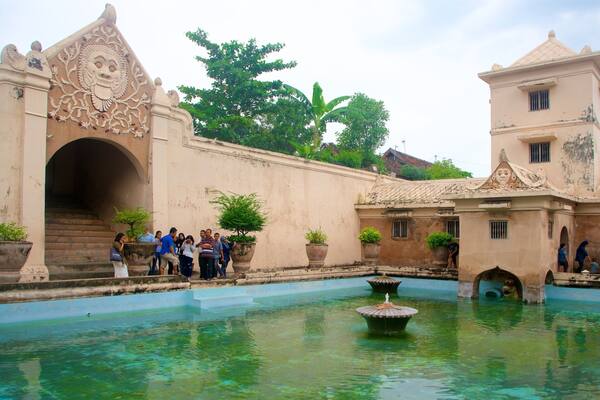
Bei einer Reise nach Sonderregion Yogyakarta kannst du die Tempel, die Denkmäler und die Geschichte der Region erleben. Diese freundliche Stadt wird dich nicht enttäuschen, denn sie ist für ihre Museen, ihre Kunstszene und Wellness bekannt. Ganz gleich, ob du einen Familienurlaub, eine Reise mit Freunden oder einen romantischen Trip zu zweit planst, FeWo-direkt hat eine tolle Auswahl an Feriendomizilen. Viele Ferienwohnungen bieten eine voll ausgestattete Küche und einen separaten Essbereich – perfekt, wenn du Platz für Unterhaltung brauchst.
Sightseeing in und um Sonderregion Yogyakarta
Suchst du nach Sehenswürdigkeiten für deinen Besuch in der Stadt? Breche von deiner Ferienunterkunft auf und erkunde, was Sonderregion Yogyakarta zu so einem tollen Urlaubsziel macht. Hier sind einige der beliebtesten Attraktionen, die es in der Umgebung zu sehen gibt, – alle im Umkreis von 48 km vom Stadtzentrum:
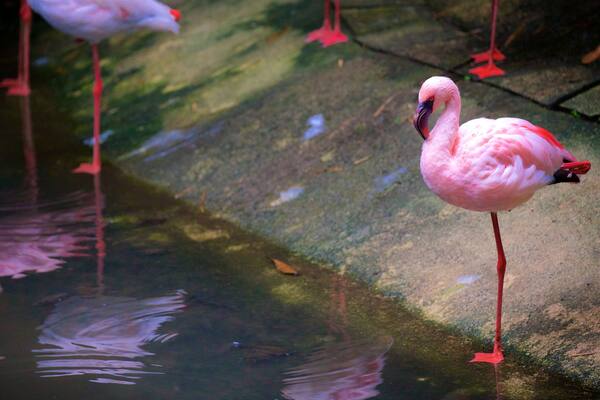
- Zoo Gembira Loka (3,5 km)
- Merapi Golf Course (22 km)
- Borobudur International Golf & Country Club (38,6 km)
- Adisucipto Golf Course (Golfplatz) (7,8 km)
- Jogja Bay (8,4 km)
- Taman Kyai Langgeng Magelang (39,1 km)
Erkundung der Naturlandschaft von Sonderregion Yogyakarta
Ganz gleich, ob du auf der Suche nach aufregenden Outdoor-Aktivitäten bist oder einfach nur die Landschaft genießen möchtest, Sonderregion Yogyakarta ist ein toller Ort, um einige Stunden im Freien zu verbringen. Dies sind einige der fantastischsten Attraktionen, alle innerhalb von 48 km vom Stadtzentrum:
- Alun Alun Kidul (1,2 km)
- Strand von Parangtritis (25,2 km)
- Punthuk Setumbu Hügel (30,1 km)
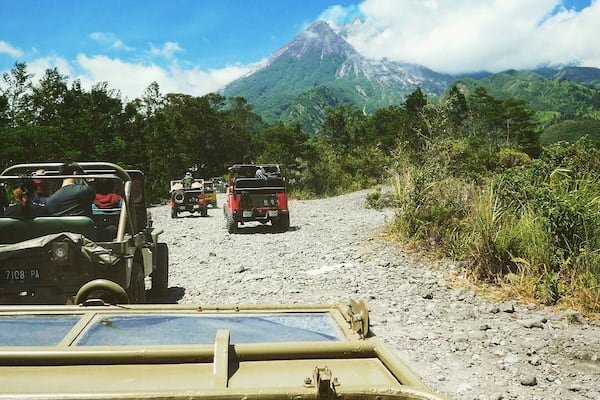
- Merapi (30,3 km)
- Nationalpark Mount Merbabu (40,1 km)
- Pantai Sadranan (46,4 km)
Anfahrt und Fortbewegung in Sonderregion Yogyakarta
Der nächstgelegene Flughafen liegt in Flughafen Adisucipto Intl. (JOG), 8,1 km vom Stadtzentrum entfernt. Wenn du keinen bequemen Flug für deine Reise findest, könntest du auch nach Flughafen Yogyakarta Intl. (YIA) fliegen, das 35,3 km entfernt ist.
Wenn du die Anreise mit dem Zug bevorzugst, sind dies die wichtigsten Bahnhöfe der Gegend: Bahnhof Yogyakarta, Bahnhof Patukan und Bahnhof Rewulu.